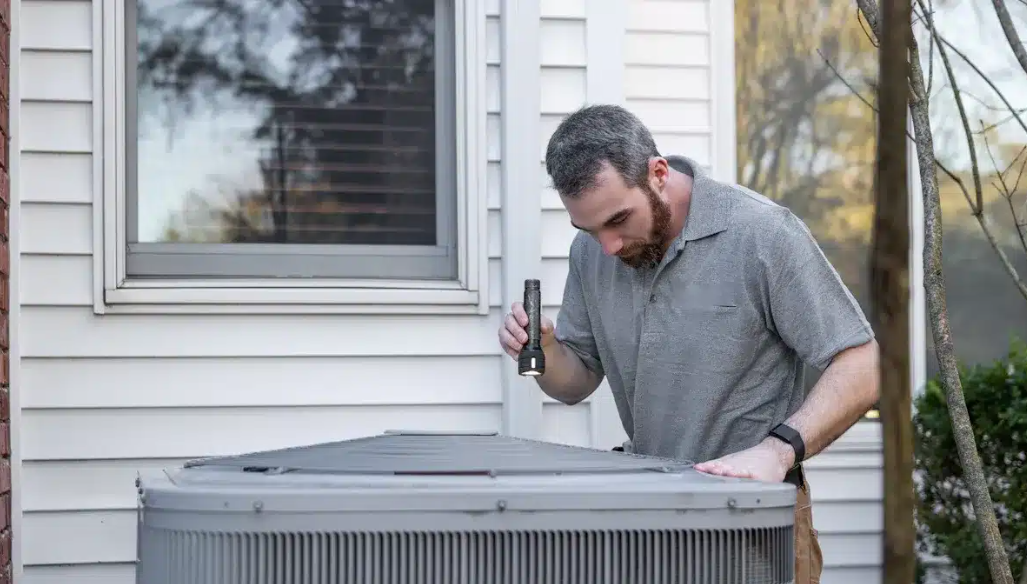

A condensing unit is important for cooling and refrigeration. You can see the condensing unit outside your house if you have a split air conditioner. The condensing unit works as a heat exchanger. It takes heat from inside and sends it outside. This helps keep your room cool. It is good to know how a condensing unit works in 2025. New condensing technology and smart controls make care easier and more needed. Taking care of your condensing unit keeps your cooling strong and steady.
Condensing Unit Components

A condensing unit has many important parts. These parts work together to cool your home or business. Each part helps move heat outside. This keeps your space comfortable. Here is a table that lists the main parts and what they do:
| Component | Function |
|---|---|
| Compressor | Pumps refrigerant and compresses it into a high-pressure gas for heat expulsion. |
| Condenser Coil | Releases heat from the refrigerant to the outside air, condensing it back into a liquid. |
| Condenser Fan | Moves air through the condenser coil to facilitate heat dissipation. |
| Contactor | Powers the compressor and fan when cooling is needed. |
| Capacitors | Provide the necessary boost for the compressor and fan motors to operate effectively. |
Compressor
The compressor is like the heart of the condensing unit. It pushes refrigerant through the system. It squeezes the refrigerant into a high-pressure gas. This step lets the refrigerant take heat from inside and send it outside. The compressor keeps the refrigerant moving. This is needed for the heat exchange process. If the compressor works well, your condensing unit cools your space better.
- The compressor moves refrigerant inside the condensing unit.
- It makes the refrigerant gas have higher pressure.
- This helps the refrigerant travel through the condenser coil.
- The refrigerant can then take heat from inside and release it outside.
Condenser Coil
The condenser coil is where the refrigerant gets rid of its heat. When the hot refrigerant gas goes through the coil, it gives heat to the outside air. The coil changes the refrigerant gas back into a liquid. In 2025, companies use copper, aluminum, steel, brass, and special alloys to make condenser coils. These materials help the coil move heat fast and fight rust. This makes your condensing unit last longer.
| Material | Properties |
|---|---|
| Copper | Excellent thermal conductivity |
| Aluminum | Lightweight and corrosion-resistant |
| Steel | Strong and cost-effective |
| Brass | Good corrosion resistance |
| Alloys | Tailored properties for applications |
Fan
The fan in your condensing unit blows air over the condenser coil. This airflow helps take heat away from the refrigerant. New fans in 2025, like variable-speed fans and evaporative pre-coolers, make cooling better. These fans change speed and airflow to match cooling needs. When the fan works well, your condensing unit cools faster and uses less power.
Expansion Device
The expansion device controls how much refrigerant goes into the evaporator. You can find different types in new refrigeration condensing units:
- Thermostatic Expansion Valve (TXV): Most common in homes and cars.
- Automatic Expansion Valve (AXV): Keeps pressure steady in small systems.
- Electronic Expansion Valve (EXV): Used in high-efficiency condensing units.
- Capillary Tube Expansion Valve: Simple and used in small refrigeration condensing units.
This device helps the condensing unit keep the right pressure and temperature for the refrigerant.
Electrical Controls
Electrical controls help your condensing unit stay safe and work well. They include safety disconnects, control boards, and pressure cutoffs. These parts stop the compressor or fan if something is wrong, like a voltage spike or unsafe pressure. This protection stops damage to your refrigeration condensing unit. It helps your system last for years.
| Safety Mechanism | Function |
|---|---|
| Safety Disconnects | Prevents accidental operation while servicing, reducing risk of shock and injury. |
| Electrical Control Board | Monitors electrical functions and initiates shutdown on irregularities like voltage fluctuations. |
| High Pressure Cutoff | Stops compressor operation if refrigerant pressure exceeds safe levels to prevent damage. |
| Low Pressure Cutoff | Disables compressor if refrigerant pressure is too low, preventing damage and inefficiency. |
Tip: If your condensing unit stops working, check the electrical controls first. Many problems start with these parts.
How Condensing Units Work
Refrigerant Cycle
You can think of the refrigerant cycle as the main path that keeps your condensing unit working. This cycle moves heat from inside your home to the outside. The process repeats over and over to keep your space cool. Here are the key steps in the refrigeration cycle:
- The compressor squeezes the refrigerant. This step raises its pressure and temperature. This is called the compression of refrigerant.
- The hot, high-pressure gas moves into the condenser coil. Here, the refrigerant releases heat to the outside air and turns into a liquid.
- The liquid refrigerant passes through the expansion device. The pressure drops, and the refrigerant cools down quickly.
- The cold refrigerant enters the evaporator. It absorbs heat from the indoor air, turning back into a gas. The cycle starts again.
This cycle lets your condensing unit remove heat from your home. The process keeps your ac running smoothly and helps you stay comfortable.
Heat Exchange Process
The heat exchange process is the heart of every condensing unit. You need this process to move heat from inside to outside. The refrigerant starts as a cold liquid in the indoor evaporator coil. Warm air from your room blows over this coil. The refrigerant absorbs heat from the air and turns into a gas. This step cools your room.
Next, the heated refrigerant gas travels to the condensing unit outside. The condenser coil and fan work together here. The fan blows air over the coil. The refrigerant gives up its heat to the outside air. The refrigerant cools down and becomes a liquid again. This heat exchange process repeats as long as your ac runs.
Note: The condensing unit cannot cool your home without this heat exchange process. The refrigerant must absorb and release heat to keep your space cool.
AC Condenser Operation
The ac condenser plays a big role in the cooling process. When the compressor sends hot gas to the condenser, the condenser coil and fan start working. The coil lets the refrigerant release heat to the outside. The fan moves air over the coil to speed up cooling. The refrigerant changes from a hot gas to a cool liquid.
You will find two main types of condensers in 2025: air-cooled and water-cooled. Most homes use air-cooled condensers. These use outside air and a fan to cool the refrigerant. Some large buildings use water-cooled condensers for better cooling.
The ac condenser does three important things:
- It cools the superheated vapor from the compressor.
- It condenses the vapor into a liquid at the same pressure.
- It subcools the liquid refrigerant before it goes back to the evaporator.
This operation keeps your ac and condensing unit working well. The condenser must remove heat fast to keep your home cool. If the condenser or fan fails, your ac cannot cool your space.
Tip: Clean the area around your condensing unit. Good airflow helps the condenser and fan work better. This keeps your ac running strong and cools your home faster.
Types of Condensing Units in 2025
Air Conditioning Condenser Unit
There are many condensing units in 2025. The air conditioning condenser unit is the most popular for homes and offices. This unit uses outside air to cool the refrigerant. Air-cooled condensing units work best in places with mild weather. You can install them easily because they do not need extra pipes. The fan inside blows air over the coil. This helps the refrigerant get rid of heat.
If you live somewhere hot, air-cooled condensing units may not work as well. Hot weather makes these units less efficient. The temperature outside changes how well the unit cools your room. Water-cooled condensing units work in a different way. These units use water to take heat away from the refrigerant. They keep working well even when it is very hot. You will see water-cooled condensing units in big buildings or places that need lots of cooling.
Here is a table that shows the main differences:
| Feature | Air-Cooled Units | Water-Cooled Units |
|---|---|---|
| Temperature Sensitivity | Efficiency drops in hot weather | Stable performance in all climates |
| Energy Efficiency | Less efficient | More efficient |
| Noise | Noisier due to fans | Quieter operation |
| Installation Complexity | Easy to install | Needs plumbing and water source |
| Water Consumption | None | Uses water for cooling |
| Maintenance | Simple | Needs water treatment |
Tip: Pick an air-cooled condensing unit if you want easy setup. Choose a water-cooled condensing unit for better cooling in hot places.
New Technologies
In 2025, condensing units have new technology. Many air conditioning condenser units use smart controls now. You can change settings with your phone or tablet. Zoned HVAC systems use dampers to send cool air only where you need it. This saves energy and keeps rooms comfortable. Better ductwork and insulation help the refrigeration system work well. These upgrades make your condensing unit more efficient.
Manufacturers use new designs like scroll and monoblock shapes. These make the refrigeration process smoother and quieter. You will see semi-hermetic and hermetic condensing units in stores and restaurants. These types help walk-in coolers, cold rooms, and freezer condensing units work well.
Here is a table of new technologies:
| Technology | Description |
|---|---|
| Refrigerant Changes | Use of low-GWP refrigerants like R-454B and R-32 |
| Zoned HVAC Systems | Dampers direct cool air for better performance |
| Improved Ductwork and Insulation | Upgrades maximize energy efficiency and cooling |
Eco-Friendly Refrigerants
Eco-friendly refrigerants are important in 2025. The EPA says all new air conditioning condenser units must use safer refrigerants. R-410A is being replaced by R-454B and R-32. These new refrigerants lower greenhouse gases and help fight climate change. You will see these changes in all types of refrigeration, including air-cooled and water-cooled condensing units.
Eco-friendly refrigerants help save energy. R-32 is about 10% more efficient than older types. These refrigerants also have lower Global Warming Potential (GWP). High-GWP refrigerants hurt the environment and raise climate risks. Using low-GWP options helps the planet and protects the ozone layer.
- R-454B and R-32 are now used in new condensing units.
- Eco-friendly refrigerants lower greenhouse gas emissions.
- These choices help your refrigeration system use less energy.
- The change helps slow down climate change.
Note: When you buy a new condensing unit, check the refrigerant type. Eco-friendly choices save energy and help the earth.
Importance of the Condenser in AC Systems
Efficiency and Performance
You need the condensing unit to keep your house cool. The condenser is very important in your air conditioning system. It helps the refrigerant get rid of heat from inside your home. When the condensing unit works well, you feel strong, cool air and steady room temperatures. If the condenser has problems, your a/c uses more power and does not cool as well.
- The condensing unit is needed for heat exchange. It lets the refrigerant push out heat taken from inside.
- How well it works affects how much energy you use and how cool your home feels.
- A good condenser uses less energy to keep your house cool.
When the condensing unit runs smoothly, your system works better. The a/c can cool your home faster and more evenly. This keeps you comfortable even when it is hot outside.
System Longevity
A clean and working condensing unit helps your a/c last longer. If you keep the condenser coil clean, heat can move out easily. Dirty coils stop heat from leaving and make the condensing unit work harder. This can raise your energy bills and wear out your system faster.
If your air conditioner works too hard, it may not last as long. Not cleaning the condenser coil can make your AC break early and cost more to fix.
You can protect your a/c by doing these things:
- Regular checkups help you find small problems early. This makes your condensing unit last longer.
- Clean coils use less energy and put less stress on your a/c.
- Fixing problems early stops big repairs and helps your system run longer.
Taking care of the condensing unit helps your a/c give you cool air for many years.
Energy Savings
You can save a lot of money with a high-efficiency condensing unit. New condensing units in 2025 use less energy and give more cool air. Upgrading your air conditioning can cut cooling costs by 20% to 50% compared to old models. Even if new HVAC units cost more at first, you will save money over time.
- High-efficiency condensing units can lower cooling costs by up to 40 percent if you switch from an old 10 SEER unit to a SEER2 18 system.
- Getting a high-efficiency central air conditioner saves you money in the long run.
- New condensing units give you more cool air and use less energy.
You will see lower bills and feel more comfortable with a modern condensing unit. The a/c will run better and cool your home faster. This helps you enjoy a nice home and save money.
Condensing Unit Maintenance and Troubleshooting

Common Issues
Your condensing unit can have problems as time goes on. You might feel your home is not cooling evenly. Sometimes, warm air comes from the vents. Dirty filters or condenser coils can cause these problems. You may hear odd sounds from the unit. This could mean the fan is broken or the compressor has issues. If your system turns on and off quickly, it may have deeper problems.
Here are some issues you might see:
- Your home cools unevenly.
- Filters get dirty and block airflow.
- Dirty coils make cooling weaker.
- The fan breaks or the thermostat stops working.
- You hear strange sounds from the unit.
- Your energy bill goes up fast.
- Refrigerant leaks or water pools near the AC.
- The system stops working or air does not move.
Tip: If you see any of these signs, check your unit soon. Fixing problems early stops bigger issues.
Basic Maintenance
You can help your condensing unit work well with easy steps. Doing regular care makes your system last longer and work better. Check and change air filters often. Clean the coils so dirt does not block heat. Look at refrigerant levels to keep cooling strong. Check wires and connections for safety. Clear drain lines to stop water damage. Check blower parts to keep air moving. Adjust your system for best results. Get a professional to inspect your unit twice a year.
Here is a simple checklist for care:
- Change air filters often.
- Clean the coils.
- Check refrigerant levels.
- Look at electrical connections.
- Clear drain lines.
- Check blower parts.
- Adjust the system.
- Get professional checks every six months.
Note: Regular care keeps your unit working well and saves energy.
When to Call a Professional
Sometimes, you need an expert to fix your condensing unit. Watch for signs like too much humidity inside, higher energy bills, or warm air from vents. Bad smells, circuit breakers tripping, or ice on the unit mean trouble. If you see water leaks, weak airflow, or hear odd sounds, call a technician. Low refrigerant, dirty coils, or compressor problems need expert help. If your unit runs too long or turns on and off quickly, do not wait.
| Warning Sign | What It Means |
|---|---|
| Too much humidity | System not removing moisture |
| Warm air from vents | Cooling is not working |
| Ice on the unit | Problem with refrigerant or airflow |
| Water leaks | Drain or coil problem |
| Quick cycling | Electrical or thermostat issue |
If you see these problems, call a licensed HVAC expert. Fast help keeps your unit safe and your home cool.
You need your condensing unit to keep your house cool. The condensing unit helps save energy and is better for the planet. It works for both heating and cooling your home. New smart controls help your system work even better.
- Doing things like cleaning filters and checking your condensing unit stops problems. This also keeps the air in your house clean.
- Listen for strange sounds or notice if your home is not cooling well. If you see these problems, call an expert for help.Taking care of your condensing unit means it will break less, cost less to run, and last longer. Learn about new condensing features to help your system work its best.




 Assembled Folding Table