Key Takeaways
- Regularly clean your commercial ice machine to ensure hygiene and food safety, preventing harmful bacteria and mold buildup.
- Use manufacturer-approved cleaning products to avoid damaging the machine and compromising ice quality.
- Sanitize the machine after cleaning to eliminate any remaining pathogens and comply with health regulations.
- Inspect and maintain your ice machine frequently to catch potential issues early and extend its lifespan.
- Always rinse thoroughly after cleaning to prevent chemical contamination of the ice.
- Follow the manufacturer’s recommended cleaning schedule, adjusting based on usage and water quality for optimal performance.
- Document maintenance activities to stay organized and ensure consistent care of your ice machine.

Why It’s Important to Clean a Commercial Ice Machine
Ensuring Hygiene and Food Safety
Keeping your commercial ice machine clean is essential for maintaining hygiene and ensuring food safety. Ice, often considered a food product, can become contaminated if the machine harbors bacteria, mold, or slime. These contaminants can compromise the quality of the ice and pose serious health risks to your customers. Regular cleaning eliminates harmful buildup and prevents the spread of pathogens. Health inspectors prioritize ice machine cleanliness during inspections, and failing to meet hygiene standards can lead to penalties or even business shutdowns. By cleaning your ice machine, you protect your customers and maintain compliance with food safety regulations.
Maintaining Optimal Efficiency and Performance
A clean ice machine operates more efficiently and performs better. Dirt, scale, and mineral deposits can accumulate inside the machine, reducing its ability to produce ice effectively. This buildup forces the machine to work harder, increasing energy consumption and the likelihood of mechanical issues. Regular cleaning removes these obstructions, allowing the machine to function at its best. An efficient ice machine not only saves energy but also reduces the risk of costly repairs. By maintaining your equipment, you ensure uninterrupted ice production and extend the lifespan of your machine.
Complying with Health and Safety Regulations
Health and safety regulations require businesses to maintain clean and sanitary equipment, including ice machines. Neglecting this responsibility can result in fines, legal consequences, or damage to your reputation. Many jurisdictions classify ice as a food product, making it subject to strict safety standards. Cleaning your ice machine ensures compliance with these regulations and demonstrates your commitment to customer safety. Additionally, regular maintenance helps you avoid unexpected breakdowns that could disrupt your operations. By adhering to cleaning guidelines, you safeguard your business and uphold industry standards.
Tools and Supplies Needed to Clean a Commercial Ice Machine

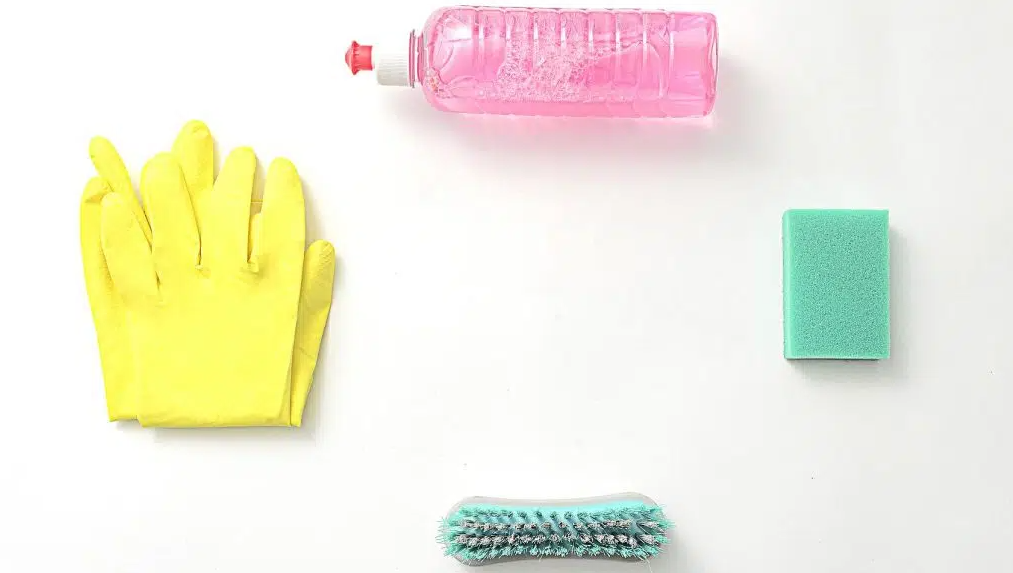
Cleaning a commercial ice machine requires the right tools and supplies to ensure thorough and effective maintenance. Using the appropriate equipment not only simplifies the process but also protects the machine from damage. Below is a detailed guide to the essential tools, recommended cleaning chemicals, and personal protective equipment (PPE) you’ll need.
Essential Cleaning Tools
To clean your ice machine effectively, you’ll need a few basic tools. These items help you remove dirt, grime, and mineral deposits without causing harm to the machine’s components.
- Soft-bristle brush: Use this to scrub away buildup on delicate surfaces without scratching or damaging them. It’s ideal for cleaning hard-to-reach areas like corners and crevices.
- Clean cloths or sponges: These are perfect for wiping down surfaces and removing residue. Opt for non-abrasive materials to avoid leaving scratches.
- Bucket or container: Use a bucket to mix cleaning solutions or hold water for rinsing. A container also helps in soaking removable parts during the cleaning process.
Recommended Cleaning Chemicals
Choosing the right cleaning chemicals is crucial for maintaining the efficiency and safety of your ice machine. Always follow the manufacturer’s recommendations to avoid damaging the equipment or leaving harmful residues.
- Manufacturer-approved ice machine cleaner: These cleaners are specifically designed to remove scale, lime, and mineral deposits. Many contain phosphoric acid or nickel-safe acids, which are effective yet gentle on machine components.
- Food-safe sanitizer (e.g., sodium hypochlorite solution): Sanitizers eliminate bacteria, mold, and other contaminants. Use a solution that complies with food safety standards to ensure the ice remains safe for consumption.
Pro Tip: Avoid using harsh chemicals like bleach or ammonia-based cleaners unless explicitly recommended by the manufacturer. These can corrode internal parts and compromise the machine’s performance.
Personal Protective Equipment (PPE)
Safety should always be a priority when handling cleaning chemicals. Wearing the right PPE protects you from potential hazards during the cleaning process.
- Gloves: Use durable, chemical-resistant gloves to shield your hands from irritants and cleaning agents.
- Safety goggles: Protect your eyes from splashes and fumes by wearing goggles designed for chemical use.
Note: Always read the labels on cleaning products and follow the safety instructions provided. Proper PPE ensures a safe and hassle-free cleaning experience.
By gathering these tools and supplies, you’ll be well-prepared to clean a commercial ice machine effectively. This preparation not only ensures a thorough cleaning but also helps maintain the machine’s longevity and performance.
Step-by-Step Guide to Clean a Commercial Ice Machine

Preparing the Machine
1.Turn off and unplug the machine.
Begin by disconnecting the ice machine from its power source. This step ensures your safety while cleaning and prevents any accidental operation during the process. Always prioritize safety when working with electrical appliances.
2.Remove all ice and discard it.
Empty the ice bin completely. Discard any remaining ice, as it may contain contaminants or bacteria. Never reuse ice from a dirty machine, as it compromises hygiene and food safety.
Pro Tip: Perform this step at the end of the day or during a low-demand period to minimize disruption to your business operations.
Cleaning the Internal Components
1.Disassemble removable parts.
Take out all detachable components, such as ice trays, filters, and panels. Refer to the manufacturer’s manual for guidance on safely removing these parts. Proper disassembly allows you to clean each piece thoroughly.
2.Soak parts in a cleaning solution.
Prepare a cleaning solution using either a manufacturer-approved cleaner or a mixture of vinegar and water (1 part vinegar to 10 parts water). Submerge the removable parts in the solution to loosen dirt, scale, and mineral deposits. Let them soak for at least 15-20 minutes.
3.Scrub with a soft-bristle brush and rinse thoroughly.
Use a soft-bristle brush to scrub each part gently. Focus on areas with visible buildup or residue. After scrubbing, rinse the parts under clean running water to remove any remaining cleaning solution. Ensure no residue remains, as it can affect the taste and quality of the ice.
Expert Tip: Regular cleaning of internal components prevents scale buildup, which can reduce the efficiency of your ice machine over time.
Cleaning the Machine’s Interior
1.Apply the cleaning solution to interior surfaces.
Use a clean cloth or sponge to apply the cleaning solution to the interior walls and surfaces of the ice machine. Pay close attention to corners, crevices, and areas prone to slime or mold growth.
2.Scrub and remove buildup.
Gently scrub the interior surfaces with a non-abrasive sponge or cloth. Remove any visible dirt, grime, or mineral deposits. Avoid using harsh tools that could damage the machine’s interior.
3.Rinse with clean water to remove residue.
After scrubbing, rinse the interior thoroughly with clean water. This step ensures that no cleaning solution or residue remains, which could contaminate the ice or harm the machine’s components.
Reminder: Cleaning the interior is essential for maintaining hygiene and ensuring the production of safe, high-quality ice.
By following these steps, you can effectively clean a commercial ice machine and maintain its performance. Regular cleaning not only ensures the safety of your ice but also extends the lifespan of your equipment.
Reassembling and Restarting
Dry all parts completely and reassemble them.
After cleaning, ensure every part of the ice machine is completely dry. Use a clean, lint-free cloth to wipe down each component. Moisture left on the parts can encourage bacterial growth or lead to rust, which compromises the machine’s performance. Pay special attention to corners, crevices, and hard-to-reach areas where water might linger.
Once all parts are dry, carefully reassemble the machine. Follow the manufacturer’s instructions to ensure each component fits securely in its designated place. Proper reassembly is crucial for the machine to function correctly. Misaligned or improperly installed parts can disrupt the ice-making process or cause mechanical issues.
Pro Tip: Take photos during disassembly to use as a reference when reassembling the machine. This step can save time and prevent mistakes.
Plug in and restart the machine.
Reconnect the ice machine to its power source by plugging it back in. Turn the machine on and allow it to run through its initial cycle. Observe the machine closely during this phase to ensure it operates smoothly. Check for any unusual noises, leaks, or error messages on the display panel. These could indicate improper reassembly or lingering issues that need attention.
Once the machine completes its first cycle, discard the initial batch of ice. This ice may contain residual cleaning solution or sanitizer, which could affect its safety and taste. Afterward, the machine will be ready to produce clean, high-quality ice for your business.
Reminder: Regularly cleaning and maintaining your ice machine ensures it operates efficiently and produces safe ice. A well-maintained machine also reduces the risk of costly repairs and extends its lifespan.
By following these steps, you complete the process to clean a commercial ice machine effectively. This practice not only safeguards the quality of your ice but also supports the success of your business.
How to Sanitize a Commercial Ice Machine
Sanitizing your commercial ice machine is a critical step in maintaining its cleanliness and ensuring the safety of the ice it produces. While cleaning removes dirt, grime, and mineral deposits, sanitization eliminates harmful microorganisms that can compromise hygiene. By following proper sanitization practices, you protect your customers and uphold food safety standards.

Importance of Sanitization
Eliminates bacteria, mold, and other contaminants.
Sanitizing your ice machine targets bacteria, mold, and other contaminants that cleaning alone cannot fully remove. These microorganisms thrive in moist environments, making ice machines particularly vulnerable. Without proper sanitization, these contaminants can spread, affecting the quality of the ice and posing health risks to consumers. By sanitizing regularly, you ensure that your ice remains safe for consumption and free from harmful pathogens.
Did You Know? Mold and slime can develop inside ice machines if they are not sanitized frequently. These contaminants not only affect the taste and appearance of the ice but also create potential health hazards.
Ensures compliance with food safety standards.
Food safety regulations require businesses to maintain sanitary equipment, including ice machines. Many jurisdictions classify ice as a food product, which means it must meet strict hygiene standards. Sanitizing your ice machine demonstrates your commitment to these regulations and helps you avoid penalties or failed inspections. It also reassures your customers that their health and safety are your top priorities.
Pro Tip: Always use a food-safe sanitizer approved for ice machines to comply with health codes and ensure the safety of your ice.
Sanitizing Process
Clean with disinfectant
itizer to all interior surfaces.Start by preparing a sanitizing solution according to the manufacturer’s instructions. Use a clean cloth or sponge to apply the solution to all interior surfaces of the ice machine, including the walls, corners, and any areas prone to buildup. Pay special attention to hard-to-reach spots where bacteria and mold are likely to accumulate. Ensure every surface is thoroughly coated with the sanitizer.
Reminder: Avoid using bleach or harsh chemicals unless specifically recommended by the manufacturer. These can damage the machine and leave harmful residues.
Run the machine’s sanitizing cycle if available.
Many commercial ice machines come equipped with a built-in sanitizing cycle. If your machine has this feature, activate it after applying the sanitizer. The cycle circulates the solution through the machine’s internal components, ensuring a deep and thorough sanitization. Follow the manufacturer’s guidelines for operating this cycle to achieve optimal results.
Expert Tip: Running the sanitizing cycle not only cleans the internal components but also helps maintain the machine’s efficiency and performance.
Allow the machine to air dry before use.
After completing the sanitization process, leave the machine open to air dry. This step prevents moisture from lingering inside, which could encourage the growth of bacteria or mold. Ensure all parts are completely dry before restarting the machine. Once dry, the ice machine is ready to produce clean, safe, and high-quality ice.
Important: Discard the first batch of ice produced after sanitization. This ice may contain residual sanitizer, which could affect its taste and safety.
By incorporating sanitization into your routine maintenance, you enhance the cleanliness of your ice machine and safeguard the health of your customers. A sanitized machine not only meets health standards but also ensures the production of ice that is both safe and enjoyable.
Cleaning Frequency and Maintenance Tips
Proper cleaning and maintenance of your commercial ice machine are essential for ensuring its efficiency, longevity, and the safety of the ice it produces. By following a consistent schedule and adopting effective practices, you can prevent costly repairs and maintain high-quality ice production.
How Often to Clean a Commercial Ice Machine
Follow manufacturer recommendations (typically every 1-6 months).
Manufacturers provide specific guidelines for cleaning their ice machines. These recommendations often range from every one to six months, depending on the model and usage. Adhering to these instructions ensures that your machine operates as intended and remains free from harmful buildup. Regular cleaning also helps you comply with health and safety standards, which are critical for businesses in the food and beverage industry.
Tip: Always consult the user manual for your ice machine to determine the recommended cleaning frequency. This ensures you follow the best practices tailored to your equipment.
Adjust frequency based on usage and water quality.
The frequency of cleaning should also depend on how often the machine is used and the quality of the water supply. High-usage machines or those operating in areas with hard water may require more frequent cleaning. Hard water contains minerals that can lead to scale buildup, reducing the machine’s efficiency and potentially contaminating the ice.
Pro Tip: If you notice signs of mineral deposits, such as white residue or reduced ice production, clean the machine immediately to prevent further issues.
Maintenance Tips for Longevity
Inspect for wear or damage regularly.
Routine inspections are vital for identifying potential problems early. Check for cracks, leaks, or unusual noises during operation. Pay attention to the condition of seals, gaskets, and other components that may wear out over time. Addressing minor issues promptly can prevent them from escalating into costly repairs.
Reminder: Keep a maintenance log to track inspections and repairs. This helps you stay organized and ensures no maintenance task is overlooked.
Replace filters as needed.
Filters play a crucial role in maintaining the quality of the ice and protecting the machine from contaminants. Over time, filters can become clogged, reducing water flow and affecting ice production. Replace them according to the manufacturer’s recommendations or sooner if you notice a decline in performance.
Did You Know? Regularly replacing filters not only improves ice quality but also extends the lifespan of your machine by preventing internal damage.
Schedule professional servicing annually.
While regular cleaning and maintenance can address most issues, professional servicing provides a deeper level of care. Technicians can perform thorough inspections, clean hard-to-reach areas, and ensure all components are functioning correctly. Annual servicing is an investment in the long-term performance of your ice machine.
Expert Advice: Choose a technician experienced with your specific ice machine model to ensure proper servicing.
Daily Maintenance Practices
Wipe down exterior surfaces.
Daily cleaning of the machine’s exterior prevents dirt and grime from accumulating. Use a damp cloth and mild detergent to wipe down the surfaces. This simple step keeps the machine looking clean and reduces the risk of contaminants entering the ice production area.
Quick Tip: Focus on high-touch areas, such as handles and buttons, to maintain hygiene.
Check for unusual odors or ice quality issues.
Inspect the ice for any changes in appearance, texture, or taste. Unusual odors or cloudy ice may indicate the need for cleaning or maintenance. Address these issues promptly to ensure the ice remains safe and appealing to customers.
Reminder: Regularly monitoring ice quality helps you identify problems early and maintain customer satisfaction.
By following these cleaning and maintenance tips, you can keep your commercial ice machine in excellent condition. Consistent care not only ensures the production of safe, high-quality ice but also extends the life of your equipment, saving you time and money in the long run.
Common Mistakes to Avoid When Cleaning a Commercial Ice Machine
Using Incorrect Cleaning Products
Using the wrong cleaning products can damage your ice machine and compromise the quality of the ice it produces. Many commercial ice machines require specific cleaners approved by the manufacturer. These cleaners are designed to remove scale, lime, and mineral deposits without harming the machine’s components. Harsh chemicals like bleach or ammonia can corrode internal parts and leave harmful residues that affect ice safety.
Tip: Always check the user manual for recommended cleaning products. If you’re unsure, contact the manufacturer or a professional technician for guidance.
Avoid experimenting with household cleaners or unapproved solutions. These products may seem convenient, but they can lead to costly repairs or void your machine’s warranty. Stick to food-safe sanitizers and specialized ice machine cleaners to ensure effective and safe cleaning.
Skipping the Sanitization Step
Cleaning removes dirt and grime, but sanitization eliminates bacteria, mold, and other harmful microorganisms. Skipping this step leaves your ice machine vulnerable to contamination, which can affect the safety and taste of the ice. Health inspectors often check for proper sanitization during inspections, and failing to sanitize could result in penalties or failed audits.
Sanitizing your ice machine is simple and essential. Use a food-safe sanitizer approved for ice machines and follow the manufacturer’s instructions. Apply the solution to all interior surfaces and run the machine’s sanitizing cycle if available. This process ensures that every part of the machine is free from harmful pathogens.
Reminder: Discard the first batch of ice after sanitizing. Residual sanitizer may linger in the system, affecting the ice’s taste and safety.
Regular sanitization not only protects your customers but also helps you comply with food safety standards. Make it a non-negotiable part of your cleaning routine.
Neglecting Regular Maintenance
Neglecting regular maintenance can lead to serious issues with your ice machine. Over time, dirt, scale, and mineral deposits accumulate, reducing the machine’s efficiency and increasing the risk of breakdowns. Regular cleaning and maintenance prevent these problems and extend the life of your equipment.
Follow a consistent cleaning schedule based on your machine’s usage and water quality. Most manufacturers recommend cleaning every 3-6 months, but high-use environments may require more frequent attention. Inspect your machine regularly for signs of wear or damage, such as leaks, unusual noises, or reduced ice production.
Pro Tip: Keep a maintenance log to track cleaning dates, filter replacements, and professional servicing. This helps you stay organized and ensures your machine remains in top condition.
Skipping maintenance may save time in the short term, but it often leads to costly repairs and downtime. Prioritize regular care to keep your ice machine running smoothly and producing high-quality ice.
Failing to Rinse Thoroughly After Cleaning
Failing to rinse your commercial ice machine thoroughly after cleaning can lead to serious issues. Residual cleaning solutions or chemicals left behind may contaminate the ice, affecting its taste, safety, and quality. Proper rinsing ensures that no harmful substances remain in the machine, safeguarding both your customers and your business reputation.
Why Thorough Rinsing Matters
1.Prevents Chemical Contamination
Cleaning solutions often contain strong agents designed to remove scale, lime, and grime. If these chemicals are not rinsed off completely, they can mix with the ice, posing health risks to consumers. Even food-safe cleaners can leave an unpleasant aftertaste if not properly removed.
2.Maintains Ice Quality
Residual cleaning agents can alter the texture, clarity, and flavor of the ice. Customers expect clean, fresh-tasting ice. Any deviation from this standard can result in complaints or loss of trust in your business.
3.Protects Machine Components
Cleaning chemicals left on internal parts can corrode or damage the machine over time. Proper rinsing helps preserve the integrity of the equipment, ensuring it operates efficiently and lasts longer.
Pro Tip: Always use clean, fresh water for rinsing. Avoid reusing water that may already contain traces of cleaning solution.
Steps to Ensure Proper Rinsing
1.Rinse Each Component Individually
After cleaning removable parts, rinse them under running water. Pay close attention to corners, crevices, and hard-to-reach areas where residue might linger. Use your hands or a soft cloth to ensure every surface is thoroughly rinsed.
2.Flush the Interior Surfaces
For the machine’s interior, use a clean cloth or sponge soaked in fresh water to wipe down all surfaces. Repeat this process multiple times to ensure no cleaning solution remains.
2.Run a Rinse Cycle
If your ice machine has a built-in rinse or clean cycle, activate it after manual rinsing. This feature circulates fresh water through the system, flushing out any remaining residue from internal components.
3.Inspect for Residue
Before reassembling the machine, inspect all parts and surfaces for any signs of leftover cleaning solution. If you notice a slippery texture or chemical smell, rinse again until the surfaces feel clean and odor-free.
Reminder: Discard the first batch of ice produced after cleaning and rinsing. This batch may still contain traces of cleaning solution or sanitizer.
The Risks of Skipping This Step
Neglecting to rinse thoroughly can lead to customer dissatisfaction, health code violations, and potential damage to your equipment. Regular cleaning and proper rinsing are essential for maintaining the performance and hygiene of your ice machine. By taking the time to rinse carefully, you ensure the production of safe, high-quality ice that meets both customer expectations and regulatory standards.
Key Takeaway: Rinsing is not just a final step—it’s a critical part of the cleaning process. Make it a priority to protect your customers, your equipment, and your business.
Cleaning a commercial ice machine is not just a routine task; it’s a commitment to maintaining hygiene, ensuring efficiency, and safeguarding your business’s reputation. A clean machine produces safe, high-quality ice that enhances customer satisfaction and prevents health risks. Regular cleaning and sanitizing eliminate harmful bacteria, mold, and grime, while also extending the lifespan of your equipment. By following the outlined steps and adopting a consistent maintenance schedule, you ensure your ice machine remains reliable and efficient. Prioritize cleanliness to protect your customers and keep your operations running smoothly.