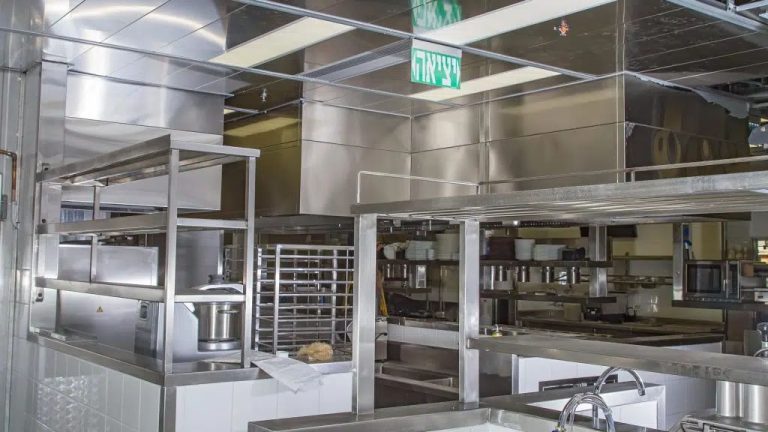
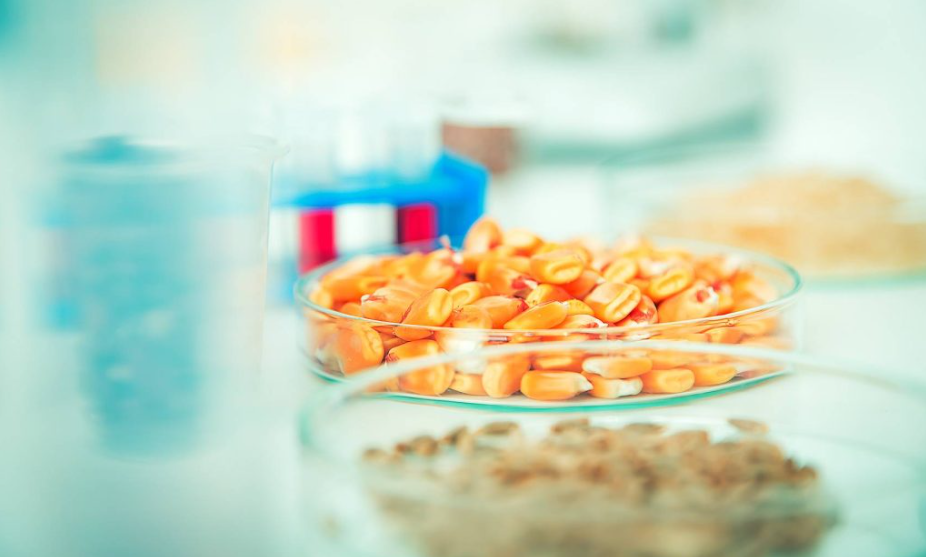
The food processing industry is an industry that transforms raw materials such as agricultural products, livestock products, and aquatic products into food products that can be directly eaten by consumers or further processed through various processing technologies and techniques. This industry covers a wide range of fields, including grain processing, oil processing, meat processing, dairy processing, fruit and vegetable processing, beverage processing, etc.
1. Importance of the Food Processing Industry
1.1 Ensure food security
The food processing industry can process and transform agricultural products, increase the added value of agricultural products, and extend the storage time of agricultural products, thereby ensuring food security.
1.2 Promote the development of agricultural industrialization
The development of the food processing industry can drive the development of agricultural planting, breeding, logistics, and other related industries and promote the process of agricultural industrialization.
1.3 Meet people’s consumer needs
The food processing industry meets people’s increasingly diverse consumer needs and improves people’s quality of life through continuous innovation and the development of new products.

2. Food processing industry process
2.1 Raw material procurement
Choose reliable suppliers to ensure the quality and safety of raw materials.
Conduct strict inspection and acceptance of raw materials, including testing of appearance, smell, nutritional content, etc.
2.2 Preprocessing
Cleaning: Reduce compensation, reduction, and pesticide residues on the surface of raw materials.
Cutting: Cut raw materials according to processing requirements, such as shredding, slicing, dicing, etc.
Soaking: Some raw materials, such as beans, grains, etc., must be soaked to improve their processing performance.
2.3 Processing
Cooking: According to different food types, different cooking methods are used, such as boiling, steaming, frying, baking, etc.
Fermentation: Fermented foods, such as bread, yogurt, wine, etc., must be fermented to produce unique flavors and textures.
Drying: Some foods that need to be stored for a long time, such as dried fruits, dehydrated vegetables, etc., must be dried to reduce the moisture content and extend the shelf life.

2.4 Product packaging
Choose appropriate packaging materials to ensure food’s sealing, moisture-proof, and fresh-keeping properties.
Use advanced packaging technologies, such as vacuum packaging, modified atmosphere packaging, etc., to extend the shelf life of food.

2.5 Storage and transportation
Choose appropriate storage conditions, such as temperature, humidity, ventilation, etc., to ensure food quality and safety.
Use reasonable transportation methods, such as refrigerated trucks, containers, etc., to ensure the quality and safety of food during transportation.
3. Main key and technical points of the food processing industry
3.1 Food safety control
Establish a complete food safety management system,Including ISO22000, HACCP (Hazard Analysis and Critical Control Points), Codex Alimentarius (Codex Alimentarius), Good Manufacturing Practice (GMP), Global Food Safety Initiative (GFSI)
Strengthen the inspection and acceptance of raw materials to ensure their quality and safety. Strictly control hygienic conditions during processing to prevent food contamination. Use advanced detection technology, such as rapid detection technology, microbial detection technology, etc., to promptly discover and deal with food safety issues.
3.2 Nutrients retained
Choose appropriate processing methods and techniques to minimize the loss of nutrients.
Low-temperature processing technology, such as freezing processing, refrigeration processing, etc., can be used to retain the nutrients in food.
Strengthen research on changes in nutritional components during food processing and develop more scientific and reasonable processing methods and techniques.
3.3 Quality control
Establish strict quality control standards, including appearance, taste, flavor, nutritional ingredients, etc.
Advanced testing equipment and technology, such as colorimeter, texture analyzer, flavor analyzer, etc., are used to detect and evaluate food quality.
Strengthen research on quality changes during food processing and promptly adjust processing techniques and parameters to ensure stable food quality.

3.4 Automated production technology
Automated production lines are used to improve production efficiency and reduce labor intensity. Apply robotics technology to automate food processing.
Develop advanced control systems, such as PLC (programmable logic controller) control system, DCS (distributed control system), etc., to improve the stability and reliability of the production process.

4. Choose the right food processing machinery
4.1 Commonly used equipment in food processing plants
4.1.1 Raw material handling equipment
Cleaning machine :It is widely used to clean vegetables, fruits, meat, grains, and other raw materials. In vegetable processing, a washing machine must thoroughly clean vegetables such as broccoli and potatoes before entering the next processing step.

Peeling machine:It is suitable for raw materials that need to be peeled, such as potatoes, carrots, apples and other fruits and vegetables, as well as some meat raw materials (such as preliminary processing of poultry skin). In fruit canning processing, the peeling machine can efficiently remove the skin of the fruit and save time for subsequent processing.

Food cutting machine:It has applications in various areas of food processing. In quick-frozen vegetable processing, the cutting machine can adjust the vegetables into a suitable shape for quick freezing and subsequent cooking; in meat processing, it is used to cut the meat into slices or diced meat of appropriate sizes.

Sorting machine:Used for preliminary sorting of fruits, vegetables, nuts and other raw materials. In large fruit processing plants, sorting machines can quickly separate fruits of different quality levels to ensure the quality consistency of processed products.

4.1.2 Food processing machines
Food mixer:It is used in the baking industry for making dough, in the dairy industry for mixing yogurt, cream, etc., and in the condiment industry for making various sauces (such as tomato sauce salad dressing).

Batch cooking machine:They are used for processing grain, meat, vegetables, eggs, and other foods. In the production of quick-frozen food, such as quick-frozen buns, quick-frozen corn, etc., the cooking machine is an essential equipment used for the pre-ripening of food.
Frying machine:Used for processing snack foods (such as potato chips and French fries), meat (such as fried chicken and fried fish), etc. In fast food processing, frying machines can quickly produce large quantities of food with an attractive golden appearance and crispy texture.

Baking equipment:It is indispensable in the baking industry and is used in processing bread, cakes, biscuits, meat, and other foods. In a bakery, the oven can bake the dough into delicious bread in color and flavor, forming a golden crust on the surface and soft inside.

Fermentation equipment:Used in the production of fermented foods, such as yogurt, rice wine, bread, etc. In the brewing industry, fermentation equipment is the core equipment used to convert sugars in grains or fruits into alcohol.

4.1.3 Food packaging machine
Food filling machinery:It is used in almost all food fields that require packaging. In beverage production, the filling machine can quickly put beverages into bottles to ensure that the capacity of each bottle of beverage meets standards; in condiment packaging, the filling machine can accurately fill powders such as salt and sugar into packaging bags.
Sealing machine:They are used to seal various packaging forms, such as food bags, bottles, cans, etc. In quick-frozen food packaging, the sealing machine can ensure the packaging bag is well sealed and prevent food contamination during storage and transportation.

Labeling machine:Labeling machines can improve labeling efficiency in the branded packaging of food products and make the product appearance more standardized and unified.

Packaging machine (wrapping machine, cartoning machine:Efficiently and accurately protect food, improve packaging speed and quality stability, and help the food processing industry produce automated packaging.

4.2 Things to pay attention to when choosing food processing equipment
4.2.1 Choose according to production needs
Different food processing companies have different production needs and should choose appropriate food processing machinery based on their production scale, product type, processing technology, and other factors. Small food processing companies can choose some small, multi-functional food processing machinery, while large food processing companies can choose large, highly automated food processing machinery.
4.2.2 Consider mechanical properties and quality
The performance and quality of food processing machinery directly affect production efficiency and product quality. When choosing food processing machinery, you should pay attention to the performance parameters of the machinery, the production capacity, processing accuracy, stability, etc. of the food equipment. At the same time, you should choose reliable brands and manufacturers that provide good after-sales service.
4.2.3 Pay attention to energy conservation and environmental protection
With the continuous improvement of environmental awareness, food processing companies should choose energy-saving and environmentally friendly food processing machinery. These machines can reduce energy consumption, reduce environmental pollution, and meet the requirements of sustainable development.
4.2.4 Consider cost effectiveness
The same is true for the price of food processing, and companies should fully consider cost-effectiveness when choosing. The purchase price of the machinery must be considered, and factors such as the cost of use and maintenance of the machinery must also be considered when selecting food processing machinery with a higher cost performance.
No matter what industry you are in, if you have any questions about commercial kitchen equipment, commercial supermarket equipment, food processing equipment, restaurants, kitchen design, etc., please contact Shenglang; we will provide sustainable and inclusive solutions implemented globally. Shenglang looks forward to becoming your kitchen butler.