
School canteens play a vital role in education systems around the world. It is an important place for students to obtain nutrition and plays an active role in education and social and cultural exchanges. Ensuring the safe and efficient operation of school cafeterias is of far-reaching significance for students’ healthy growth and society’s stable development.
1. What is the importance of cafeteria in school
1.1 Nutritional security and health promotion
The World Health Organization (WHO) emphasizes the importance of a balanced diet for health. As one of the primary sources of students’ daily diet, school cafeterias should provide rich, diverse, nutritionally balanced food to meet the growth, development, and daily activities of students of different ages. Various nutrients are needed. This includes proteins, carbohydrates, fats, vitamins, minerals, etc., to enhance students’ immunity and promote body and brain development.

Good nutritional intake helps improve students’ learning efficiency and cognitive abilities. Research shows that well-nourished students perform better in attention, memory, and problem-solving skills, setting them up for academic success.
1.2 Educational Values and Habit Cultivation
The student lunchroom is an ideal place to carry out nutrition education. By showing the food supply chain, nutritional facts, and healthy cooking tips, students can learn about balanced diets and develop good eating habits and sustainability awareness. For example, understanding the nutritional content of food can help students make healthy food choices and reduce their intake of unhealthy food.
1.3 Social promotion and cultural exchange
School cafeterias provide students with opportunities for social engagement. Students can communicate with peers and teachers during meals, enhancing their social skills and teamwork. This social interaction helps students build strong peer relationships and improve their communication skills and emotional intelligence.
School cafeterias can display international cuisine from different countries and regions to promote cultural exchange programs and diversity. Students can discover the cultural features of different cultures by trying different foods, expanding their perspectives, and developing global awareness.

2. School Cafeteria Layout Guidelines
2.1 Functional Zones in Cafeterias
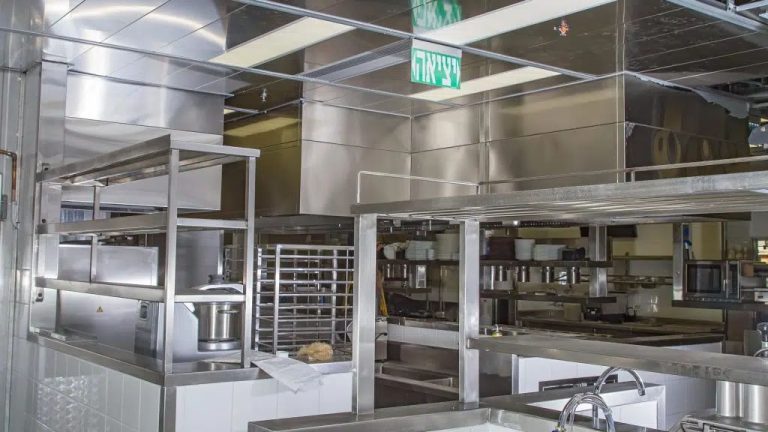
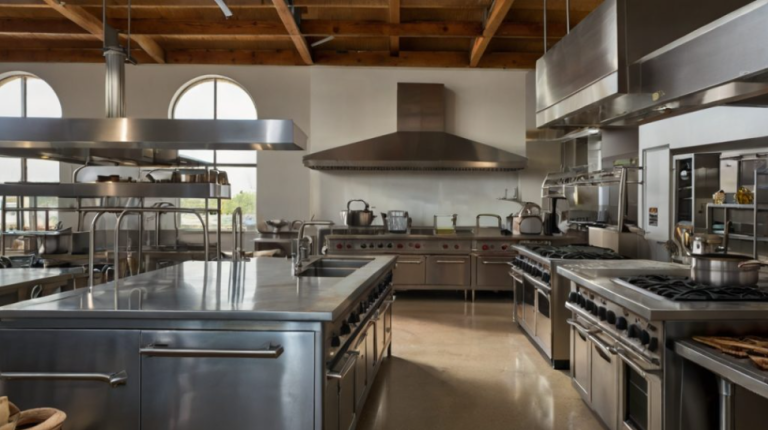
Based on international building regulations and ergonomic design principles, school cafeterias should be reasonably divided into functional zones such as food preparation, storage, and dining areas to ensure smooth flow and avoid cross-contamination. The food preparation area should be equipped with commercial kitchen equipment to meet the processing needs of different types of food; the food storage area should be kept dry and ventilated, and categories should store food to ensure the freshness and safety of the food; the dining area should be spacious, bright, comfortable, and provide adequate seating arrangements and space to meet students’ dining needs.

Consider the physical characteristics and requirements of students of different ages and design appropriate dining tables and chair heights. The dining area should be equipped with accessible entryways to facilitate the entry and exit of students with special needs. At the same time, lighting and ventilation systems should be reasonably arranged to ensure airflow and sufficient natural light in the cafeteria.
2.2 How to Design Comfortable Spaces
Adopt a cozy and inviting decoration style to create a positive dining atmosphere. Elements such as vibrant murals and indoor plants can be used to enhance the appeal of the cafeteria. At the same time, the cafeteria should be kept clean and sanitized, with regular disinfection and cleaning to provide students with a tidy and hygienic dining environment.
Properly plan the noise management in the cafeteria to prevent the loud environment from affecting students’ dining experience. Measures such as acoustic insulation materials and equipment sound reduction can be used to create a calm dining atmosphere.
3. Essential equipment for school cafeterias
3.1 Food processing equipment
Energy-efficient stoves, commercial ovens, industrial steamers, and other food preparation equipment ensure the quality and efficiency of food cooking. This equipment should comply with energy-saving and environmental standards to reduce energy consumption and pollution. At the same time, the equipment should undergo regular maintenance to ensure its proper operation and safe use.

They are equipped with commercial food processing machines, such as vegetable slicers, commercial mixers, etc., to improve the efficiency and standardization of food processing. These machines should be equipped with safety features to ensure the safety of operators.
3.2 Efficient kitchen storage equipment
They are equipped with smart refrigeration and freezer units to accurately control temperature and humidity, ensuring the freshness and safety of food. Shelving units and storage cabinets should be made of durable and easy-to-clean materials, with efficient storage space planning to facilitate the organized storage and management of food.
Install a food storage monitoring system to monitor storage conditions in real-time, such as temperature and humidity, to ensure the quality and safety of food during storage.
3.3 Cleaning and disinfection equipment
Install commercial dishwashers, sanitizing cabinets, and other cleaning and sanitation equipment to ensure the hygiene of dishware. At the same time, professional cleaning tools, such as floor sweepers and industrial floor scrubbers, must be equipped to keep the cafeteria’s floors, walls, and equipment clean and sanitary.
Establish a strict cleaning and sanitizing schedule to regularly clean and sanitize various areas of the cafeteria to ensure that the hygienic standards of the cafeteria are met.
3.4 Safety equipment
Install fire alarm systems, fire suppression equipment, and other safety devices to ensure fire safety in the cafeteria. At the same time, ensure the presence of emergency exits and evacuation routes and conduct regular fire drills to improve the emergency evacuation skills of students and staff.
Equipped with food safety testing tools, such as rapid food safety testers, to assess purchased food and ensure food safety standards are met.
4. Food safety prevention
4.1 Ensuring Food Ingredient Safety
Choose trusted food suppliers to ensure the safety of food sources. Conduct strict quality inspections of purchased food and check the packaging, labels, expiration dates, and other relevant information about the food. Establish a food traceability system to ensure that when food safety issues arise, they can be traced back to the source.
4.2 Personnel training and management
Provide comprehensive food safety training to cafeteria staff to enhance their safety awareness and operational skills. The training content should include food hygiene practices, operating procedures, emergency response plans, and more.
Establish a strict employee health management system to ensure that staff are non-infectious and maintain good personal hygiene. Staff should undergo regular health screenings and hold valid health certificates. During work, employees should wear clean uniforms, a hairnet, and a face mask, wash their hands frequently, and maintain personal hygiene.
4.3 Testing and Supervision

Food is tested regularly to ensure it meets safety standards. The testing content should include the nutritional components, microbial indicators, pesticide residues, etc. of the food. You can entrust a professional testing agency to conduct testing to ensure the accuracy and reliability of the testing results.
Strengthen oversight and inspections of cafeterias to ensure that various safety protocols are effectively implemented. Oversight and inspections can be conducted by the school’s internal management team, health department, and parent representatives, to regularly evaluate the sanitary conditions, food preparation processes, and equipment functionality of the cafeteria, and promptly address any issues identified.
5. Safety measures in special circumstances
5.1 Tatural disaster response
Develop emergency response plans for natural disasters, such as earthquakes, floods, and typhoons, to ensure the cafeteria can operate safely during crises. The emergency plan should include personnel evacuation procedures, food storage strategies, and equipment protection measures. Reserve necessary emergency food supplies, water, and first aid kits to meet students’ basic needs. After a disaster, promptly clear any damaged facilities in the cafeteria to ensure food safety standards are maintained.
5.2 Public health incident response
During the epidemic of infectious diseases, the sanitation and disinfection of cafeterias should be enhanced, and measures such as individual meal service and staggered dining schedules should be adopted to reduce crowding. Collaborate closely with the health department to stay informed about the epidemic status and implement corresponding preventive measures. Conduct health monitoring of cafeteria staff to ensure they are free from infectious diseases. Strengthen personal protective measures during work processes, such as wearing masks, gloves, and other protective gear.
5.3 Emergency handling
Establish a crisis management system to handle emergencies, such as fires, foodborne illnesses, etc. Quickly activate emergency response plans and implement effective rescue measures. Notify students and parents promptly and maintain clear communication channels.
School cafeterias are of essential significance in the global educational system. Through strategic layout, advanced equipment setup, stringent food safety protocols, effective safety measures, and prevention of potential kitchen hazards, we can provide students with a safe, healthy, and comfortable dining environment, promoting students’ physical and mental well-being and holistic development. Government authorities, schools, and all sectors of society should prioritize developing and managing school cafeterias and collaborate to enhance the overall quality of school dining facilities, laying a strong foundation for students’ futures.